Abstract Face Line Art Continuous Drawing: Elevating Modern Design with Minimalist Elegance
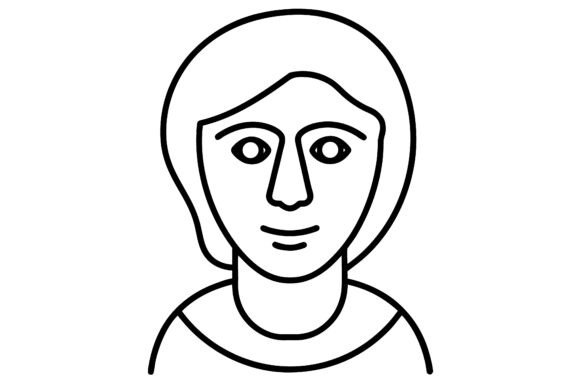
Abstract Face Line Art Continuous Drawing is a minimalist design trend that captures the essence of a face through a single, uninterrupted line. This artistic approach blends abstract shapes and smooth outlines to create expressive, yet simplified visuals. Unlike traditional portraits, this style emphasizes form and flow over detail, making it a versatile choice for modern digital and print design projects.
Understanding the Appeal of Abstract Face Line Art
The rise of flat design and minimalism in branding and web development has paved the way for Abstract Face Line Art Continuous Drawing to become a favored visual element. Designers appreciate its ability to convey emotion and identity without overwhelming the viewer. Its clean lines and lack of shading make it ideal for creating a professional, contemporary aesthetic that aligns with current design trends.
Challenges in Modern Design and How This Style Helps
Designers often struggle to balance creativity with usability, especially when developing brand identities or user interfaces. Visual elements must be both engaging and functional. Abstract Face Line Art Continuous Drawing offers a solution by providing a visually striking yet unobtrusive design element that enhances user experience without compromising clarity.
For example, logos and icons that incorporate this style can communicate a brand’s personality while remaining scalable and adaptable across various platforms. Whether used in a mobile app, website header, or printed marketing material, these illustrations maintain their impact and readability.
Practical Applications Across Creative Industries
- Branding and Logo Design: Abstract face line art can be integrated into logos to add a human touch while keeping the overall design sleek and modern.
- Web and UI Design: These illustrations serve as elegant decorative elements in web layouts, enhancing visual hierarchy without distracting from content.
- Digital Illustration: Designers can use this style to create expressive avatars or character illustrations that are both unique and easy to reproduce.
- Print and Merchandise: From business cards to packaging, this minimalist art form adds a touch of sophistication to physical products.
How to Effectively Implement Abstract Face Line Art in Design Projects
When incorporating Abstract Face Line Art Continuous Drawing into your work, consider the context and purpose of the design. For branding, ensure the illustration aligns with the brand’s tone—whether that’s playful, professional, or avant-garde. In UI/UX design, use these visuals to guide user attention or enhance the overall aesthetic of the interface.
It’s also important to maintain consistency in line weight and style if combining multiple illustrations. Vector formats are ideal for this type of art, as they allow for easy scaling and editing without loss of quality. Designers should also consider pairing these illustrations with complementary typography and color schemes to achieve a cohesive look.
Who Benefits Most from Using Abstract Face Line Art?
Graphic designers, UI/UX professionals, and brand strategists can all benefit from integrating this style into their projects. Startups and modern brands looking to establish a fresh visual identity may find it particularly useful. Additionally, illustrators and digital artists can explore this technique to expand their creative portfolio and offer unique assets to clients.
For instance, a digital marketing agency might use Abstract Face Line Art Continuous Drawing to create engaging social media graphics that stand out while maintaining a professional tone. Similarly, a product designer might use it to develop intuitive icons that blend form and function seamlessly.
Key Considerations When Choosing or Creating Abstract Face Line Art
Not all line art is created equal. When selecting or commissioning Abstract Face Line Art Continuous Drawing, prioritize clarity, scalability, and stylistic consistency. Vector formats such as SVG or AI are preferable for digital use due to their adaptability across screen sizes and resolutions.
Designers should also consider the emotional tone conveyed by the line work. A more angular, dynamic line may suggest energy and innovation, while softer curves might evoke approachability and warmth. Always align the artistic choice with the intended message or brand personality.
How to Source or Create Your Own Abstract Face Line Art
There are several ways to incorporate this style into your work. Designers can purchase pre-made vector illustrations from platforms like Adobe Stock, Shutterstock, or Vecteezy. These resources offer a wide variety of styles, making it easy to find artwork that fits your project’s needs.
Alternatively, if you're creating original work, start by sketching a face using a single continuous line. Focus on capturing the essence rather than realism. Once satisfied with the sketch, refine it digitally using vector software such as Adobe Illustrator or free alternatives like Inkscape or Figma.
Final Thoughts: Why Abstract Face Line Art Continuous Drawing Matters
In an era where clean, modern aesthetics dominate digital and print media, Abstract Face Line Art Continuous Drawing stands out as a powerful yet subtle design tool. Its ability to convey emotion and identity through minimalism makes it a valuable asset for designers across industries. Whether you're building a brand, designing a website, or creating digital illustrations, this style offers a versatile and elegant solution that aligns with today’s design expectations.
By thoughtfully integrating Abstract Face Line Art Continuous Drawing into your creative projects, you can enhance visual appeal, improve user experience, and establish a distinctive design language that resonates with audiences.